The Dynamic Light Control Revolution: Redefining Spatial Privacy with Smart Glass
11/26/20251 min read
Introduction to Smart Glass Technology
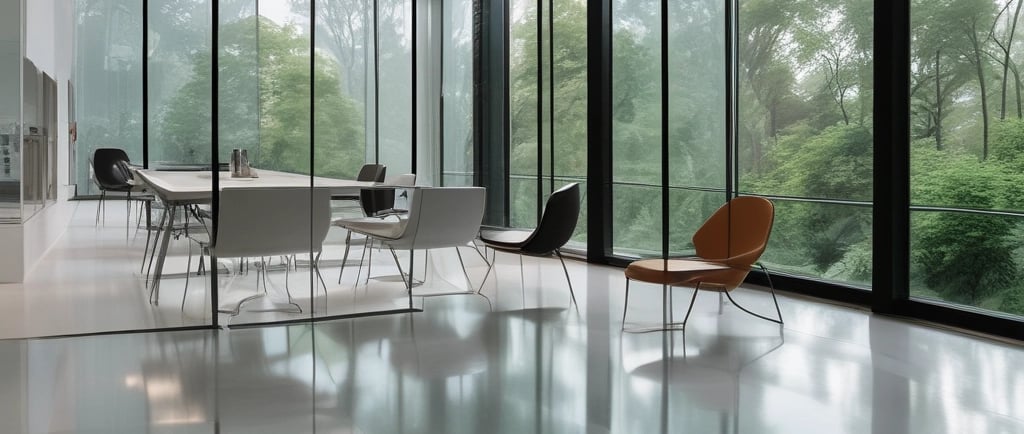
In today's rapidly advancing technological landscape, the concept of dynamic light control has emerged as a cornerstone of modern architectural design. Smart glass, also known as switchable glass or electrochromic glass, exemplifies this innovation, enabling users to control light and privacy in their environments intuitively. These sophisticated materials not only enhance visual aesthetics but also serve functional purposes, demonstrating how technology can harmonize with design.
The Role of Smart Glass in Enhancing Privacy
One of the most notable advantages of smart glass is its ability to offer enhanced spatial privacy without compromising natural light. Traditional window treatments, such as curtains and blinds, can obstruct views and inhibit light flow. In contrast, intelligent glass technologies allow users to transition from transparent to opaque states with a simple switch or through automated systems. This transformation grants individuals the power to create private spaces on demand, making it invaluable for both residential and commercial applications.
Visual Aesthetics and Energy Efficiency
Beyond privacy, smart glass significantly contributes to the visual appeal of a space. With sleek designs that integrate seamlessly into modern architecture, these materials provide a contemporary look that appeals to both homeowners and designers. Moreover, smart glass optimizes energy efficiency by regulating temperature and minimizing glare, thus reducing reliance on artificial lighting and climate control systems. By controlling the amount of sunlight entering a room, users can maintain comfortable interiors while also supporting sustainable building practices.
Conclusion: Embracing the Future of Design
The dynamic light control revolution epitomized by smart glass signifies a transformative shift in how we think about architectural spaces. As these technologies continue to evolve, their integration offers exciting possibilities for enhancing spatial privacy and aesthetic value. By embracing smart glass innovations, architects and homeowners alike can create environments that are both visually stunning and purposefully designed, paving the way for a future where technology meets comfort and elegance.
Address
Zhongpu Technology Industrial Park, Xihang Port Development Zone, Shuangliu District, Chengdu, Sichuan Province
Contact Us
Email: business@juntglass.com
Whatsapp:+86 13402811851