The Allure and Challenge of Ultra-Clear Glass: Understanding Higher Processing Standards
11/4/20252 min read
The Unique Appeal of Ultra-Clear Glass
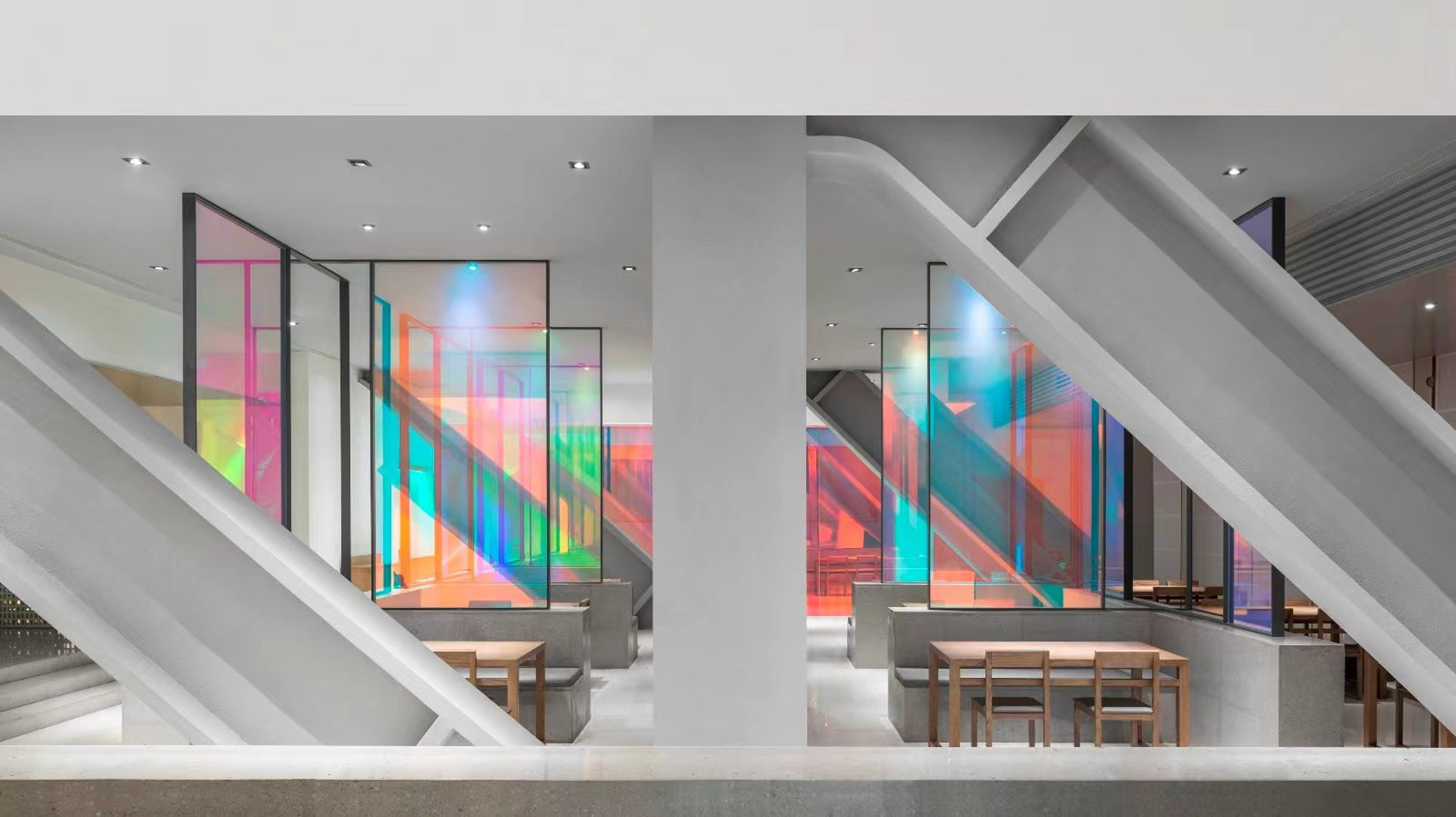
Ultra-clear glass has gained immense popularity across various industries, including architecture, automotive, and interior design. Its remarkable optical clarity gives any space a sense of elegance and sophistication, making it a preferred choice for modern aesthetics. The challenge lies in the fact that achieving this desired clarity is not as simple as it may seem; it often demands higher processing standards.
The Importance of Higher Processing Standards
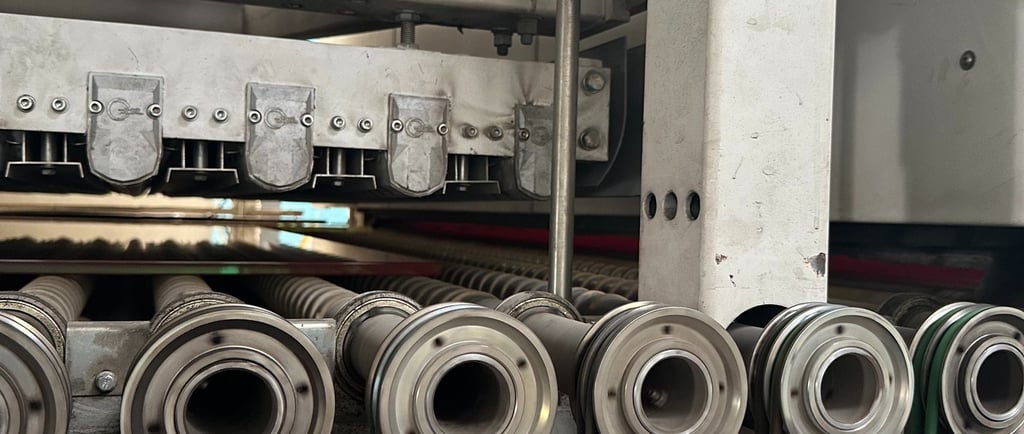
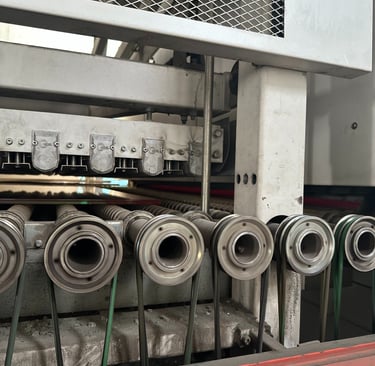
To successfully produce ultra-clear glass, manufacturers must adhere to rigorous processing techniques. Standard glass may contain impurities that cause discoloration or cloudiness, but ultra-clear varieties demand meticulous attention to detail. This includes the selection of high-quality raw materials, controlled manufacturing environments, and advanced fabrication methods that reduce defects.
One major aspect of achieving ultra-clear glass is the management of raw materials. Glassmakers often use low-iron sand, which minimizes coloration and enhances clarity. Furthermore, maintaining a pristine production environment helps in avoiding contamination, ensuring the glass remains clear throughout the process.
The Balance Between Aesthetics and Practicality
While the demand for ultra-clear glass continues to rise due to its visual appeal, it also brings about practical challenges. The cost of ultra-clear glass can be significantly higher than that of standard glass, mainly due to the advanced manufacturing techniques and quality control measures required. In many construction and design projects, the investment in ultra-clear glass often pays off because it elevates the overall design, but it is a decision that requires careful consideration.
Another challenge faced by manufacturers is consistency. Achieving the same level of clarity across different batches can be difficult, necessitating high standards of quality assurance. Innovations in technology, such as automated inspection systems and improved melting processes, are helping to tackle these issues, but the challenge remains. Thus, those in the industry must continually adapt to evolving standards to maintain the allure of ultra-clear glass.
Lastly, as consumers become more knowledgeable about glass products, they increasingly favor suppliers who demonstrate a commitment to quality. This means that manufacturers must not only meet higher processing standards but also ensure transparency and reliability throughout the production process.
In conclusion, while ultra-clear glass offers undeniable beauty and sophistication, the allure comes with challenges that demand higher processing standards. From the selection of raw materials to the intricacies of manufacturing, the journey to achieving this pristine clarity is complex yet rewarding.
Address
Zhongpu Technology Industrial Park, Xihang Port Development Zone, Shuangliu District, Chengdu, Sichuan Province
Contact Us
Email: business@juntglass.com
Whatsapp:+86 13402811851