The Journey of Glass: 8 Essential Steps from Raw Material to Stunning Product
11/3/20252 min read


Introduction to Glass Deep Processing
Have you ever wondered how ordinary raw glass transforms into beautiful, finished products that enhance our homes and lives? The process of glass deep processing is a fascinating journey that involves several crucial steps. Let’s dive into the core process of glass processing and discover how simple glass becomes a stunning addition to our daily lives.
Step 1: Raw Material Selection
The journey begins with the selection of raw materials. Manufacturers use a mix of silica sand, soda ash, and limestone. These ingredients form the base of glass. The quality and characteristics of the final product heavily depend on the purity and proportions of these raw materials. Choosing the right mix is crucial for achieving the desired properties in the finished glass.
Step 2: Melting the Glass
Once the raw materials are selected, they are mixed and melted in a furnace at high temperatures, usually around 1,700 degrees Celsius. This process transforms the solid materials into a molten liquid. This molten glass is the baseline for all subsequent processing methods. Ensuring uniform melting is crucial to maintain the quality of the glass, avoiding any impurities or bubbles.
Step 3: Forming Shapes
After melting, the next step involves shaping the glass. There are several techniques to form glass, including blowing, pressing, and molding. Depending on the desired shape, the molten glass is manipulated and cooled under controlled conditions. This gives rise to products ranging from bottles to intricate decorative items, showcasing the versatility of glass processing.
Step 4: Annealing
Once shaped, the glass undergoes an annealing process, where it is slowly cooled in a lehr. This gradual cooling is vital to relieve internal stresses that may have developed during the forming process. It ensures that the finished glass is strong, durable, and less prone to breakage. This step is a core aspect of glass deep processing, contributing to the longevity of the final product.
Step 5: Surface Treatment
The fifth step in glass deep processing focuses on enhancing the surface of the glass. This can include polishing, coating, or etching, depending on the final application. Surface treatment improves both aesthetics and functionality—factors like glare reduction, scratch resistance, and added colors can all be attained through this stage.
Step 6: Quality Control
Next comes quality control. Each batch of glass is tested for flaws, ensuring that it meets industry standards. Quality checks may involve examining transparency, thickness, and surface finish. This rigorous process guarantees that only flawless products make their way to manufacturers and ultimately, consumers.
Step 7: Packaging and Distribution
Once quality assurance is completed, the glass products are carefully packaged to prevent any damage during transit. Proper packaging is essential to keep the glass safe until it arrives at its final destination, whether that be a store or a construction site.
Step 8: Final Application
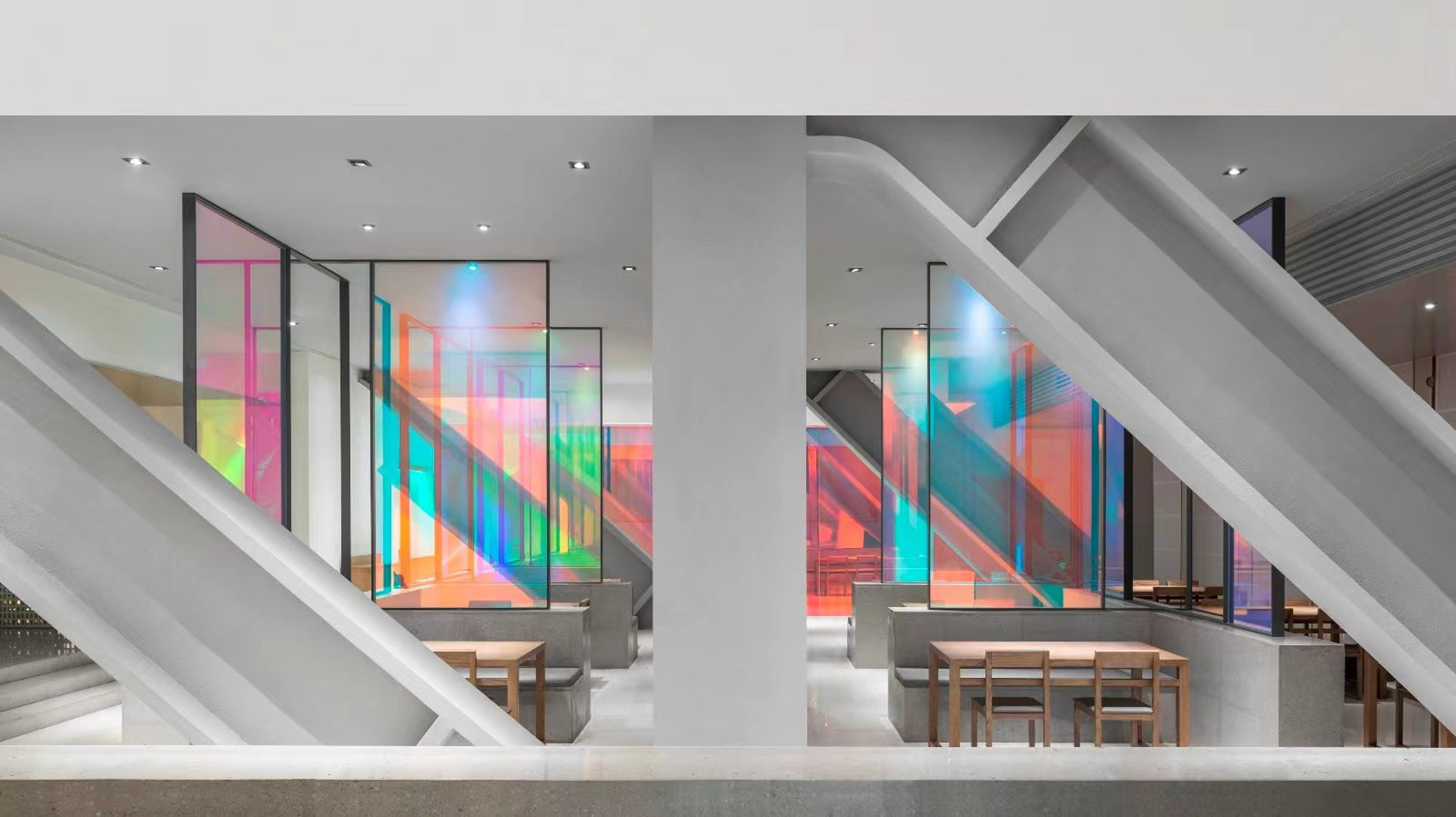
The last step in this journey is the application of the finished glass products. Whether it’s windows that let the light in, glasses that toast to great moments, or artistic installations that captivate viewers, the final products serve both functional and aesthetic purposes. The beauty of glass is that it continuously finds new ways to enhance our environments.
In summary, the core process of glass deep processing involves eight key steps that transform raw glass into the stunning products we see around us. Each step plays a significant role in determining the quality and functionality of the finished item. Next time you encounter glass in your daily life, remember the fascinating journey it took to get there!
Address
Zhongpu Technology Industrial Park, Xihang Port Development Zone, Shuangliu District, Chengdu, Sichuan Province
Contact Us
Email: business@juntglass.com
Whatsapp:+86 13402811851