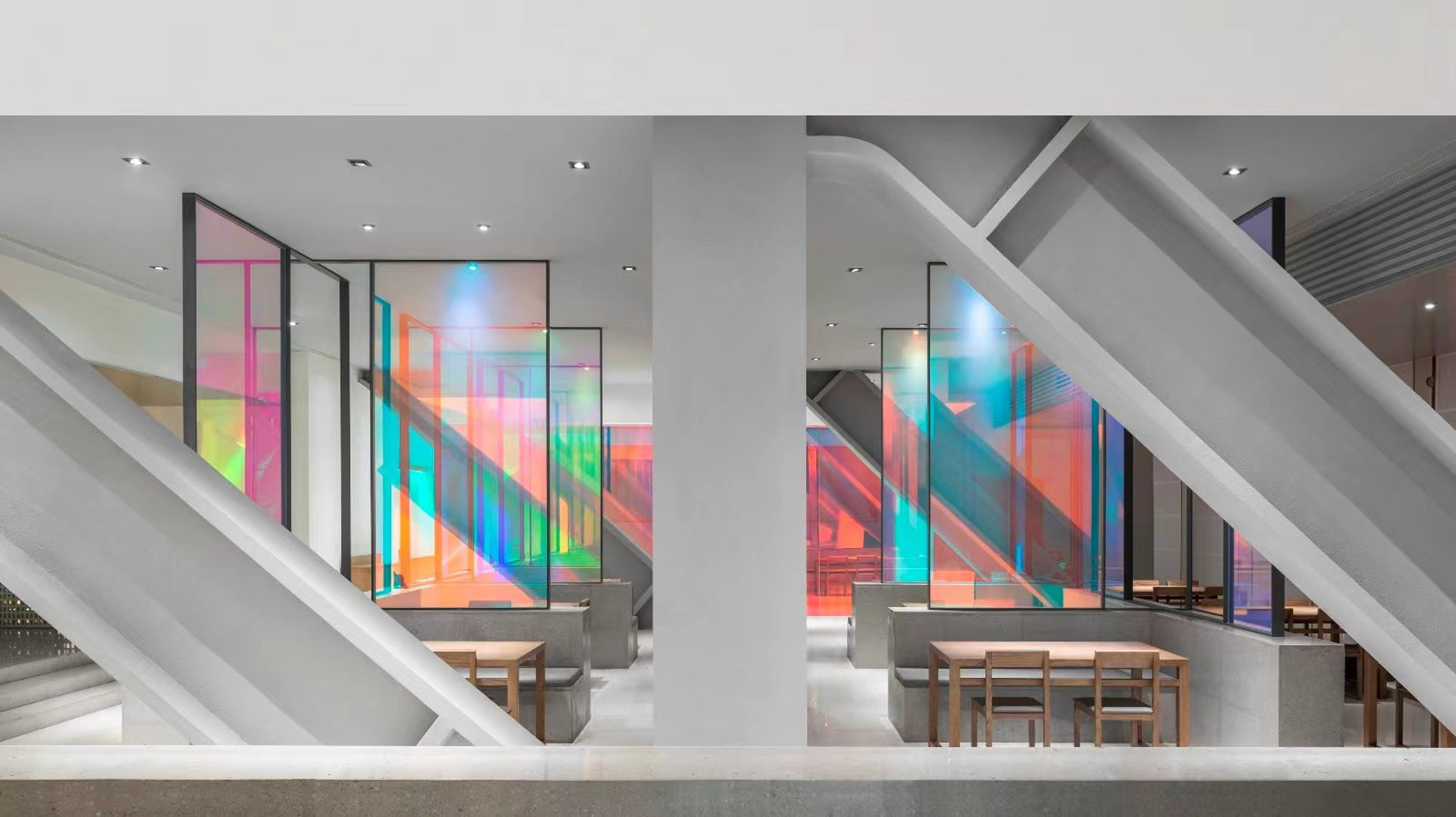
The Skin of a Building: Enhancing Performance and Aesthetics with Ultra-Clear and Low-E Glass
How to balance the energy efficiency and aesthetic appeal of glass?
10/21/20252 min read
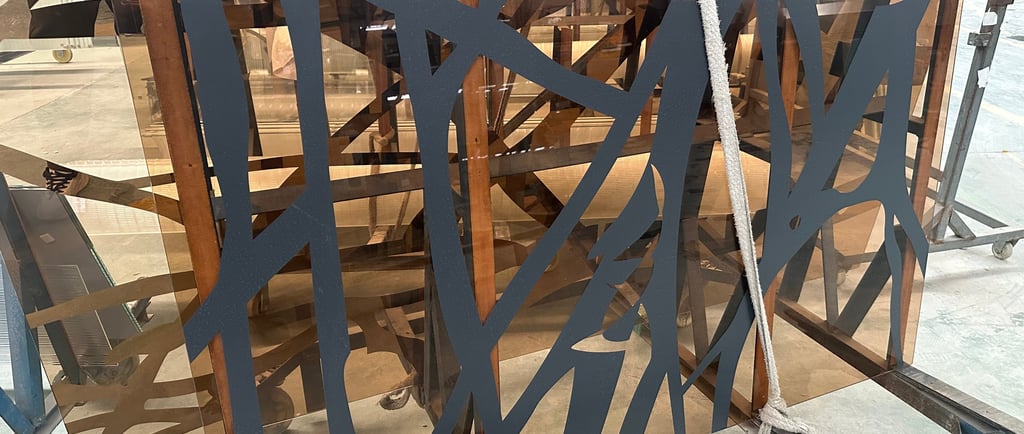
The Role of Glass in Modern Architecture
In the realm of architecture, glass has evolved from a merely functional element to a crucial component of a building’s identity. As architects and designers push the boundaries of creativity, the choice of glass plays a key role in shaping the aesthetics and performance of buildings. Among various options, ultra-clear and low-e glass have gained significant attention due to their unique properties, making them popular choices for contemporary facades.
Understanding Ultra-Clear Glass
Ultra-clear glass is manufactured using a lower iron content, resulting in improved light transmission and clarity. This type of glass allows for a more transparent view, enhancing the overall appearance of a building. When utilized in architectural designs, ultra-clear glass creates a seamless connection between the interior spaces and the surrounding environment. It minimizes the greenish tint that traditional glass often has, providing an unobstructed view of the outdoors and allowing natural light to flood in, thus enriching the ambiance indoors.
The Advantages of Low-E Glass
Low-e glass, or low-emissivity glass, features a special coating that reflects infrared light while allowing visible light to pass through. This coating significantly improves energy efficiency by reducing heat transfer. As a result, buildings fitted with low-e glass maintain a more consistent indoor temperature, reducing reliance on HVAC systems and, ultimately, lowering energy costs. Moreover, low-e glass helps in controlling glare and prevents UV rays from damaging furniture and interiors, enhancing the longevity of furnishings.
Combining Performance with Aesthetics
The integration of ultra-clear and low-e glass not only improves energy performance but also elevates the aesthetic appeal of modern buildings. These materials facilitate innovative design solutions that emphasize transparency, allowing architectural features to be more pronounced and inviting. The combination of these glass types is particularly beneficial in high-rise buildings where external visuals play a pivotal role in the building’s overall perception.
Conclusion: A New Age of Building Materials
As sustainability continues to be a priority in modern construction, the selection of materials that enhance both performance and aesthetics is imperative. Ultra-clear and low-e glass exemplify this balance, serving as the skin of the building and providing both visual allure and functional benefits. The current trends in architectural design underscore the need for innovative materials that not only contribute to energy efficiency but also resonate with contemporary design philosophies, paving the way for the future of architecture.
Address
Zhongpu Technology Industrial Park, Xihang Port Development Zone, Shuangliu District, Chengdu, Sichuan Province
Contact Us
Email: business@juntglass.com
Whatsapp:+86 13402811851